
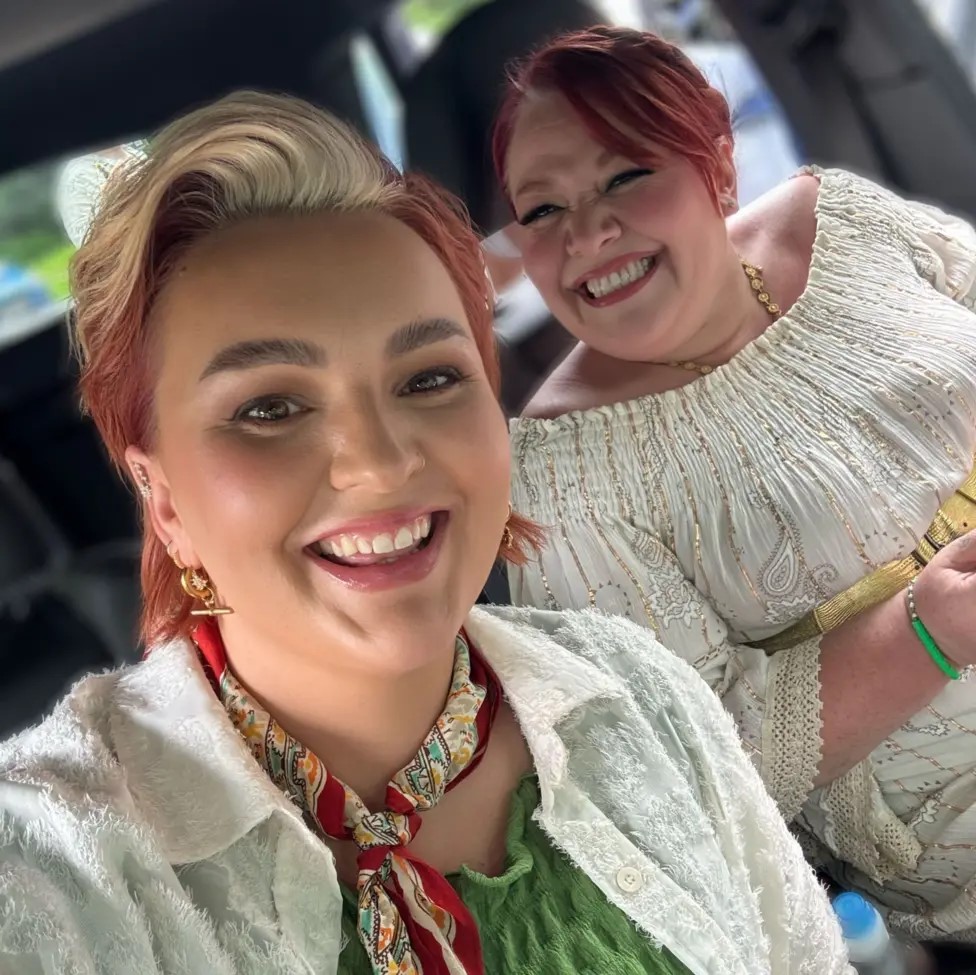
One of country music’s most recognisable songs has found a new voice in the Welsh language, bringing together Dolly Parton, her niece Jada Star and Welsh singer-songwriter Bronwen Lewis. Speaking to Paddy O’Connell on BBC Radio 4’s Broadcasting House (11-10-2026), Lewis and Star revealed how a viral video led to an extraordinary collaboration with the country music legend, recorded shortly before her death.
A Welsh-language interpretation of Jolene might seem an unlikely addition to Dolly Parton’s extraordinary musical legacy, but the story behind the recording is one of friendship, family connections and a shared love of storytelling. Released on Friday 9 October, the bilingual single features Parton alongside her niece Jada Star and Neath-born singer-songwriter Bronwen Lewis, whose original Welsh translation first attracted attention on social media two years ago.
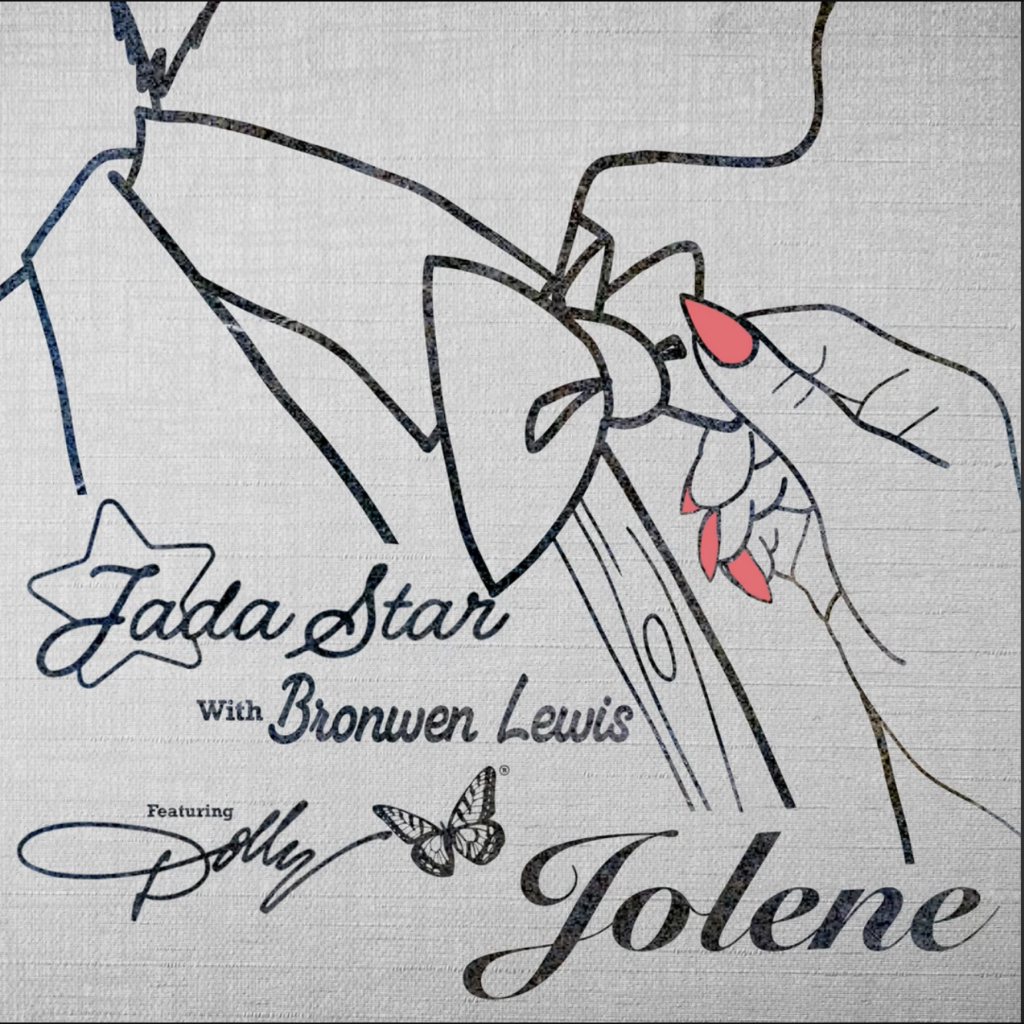
Speaking to Paddy O’Connell on BBC Radio 4’s Broadcasting House on Sunday morning, Lewis and Star explained how the project developed from a simple online performance into a recording featuring one of country music’s most celebrated voices.
It began when Lewis, a lifelong Dolly Parton fan and presenter on BBC Radio Wales, started translating some of her favourite songs into Welsh. Her version of Jolene proved particularly popular, eventually reaching members of Parton’s family in Nashville.
“This came about because Bronwen is incredibly talented,” Star told O’Connell. “She had made a video and she posted it out to all her socials a couple of years back. And it was her Welsh translation of Jolene. And my cousins and I got a hold of it.”
According to Nation Cymru, Star contacted Lewis after discovering the performance, and the two quickly formed a friendship. Star subsequently travelled to Wales, where the pair performed together at Pride Cymru and explored the country’s musical and cultural heritage.
The experience inspired Star to suggest recording a bilingual version of Jolene, with one particularly ambitious addition: asking her aunt Dolly to take part.
From Nashville to Wales
Lewis recalled the moment she learned Parton had agreed to appear on the recording in comments reported by Nation Cymru.
Dolly’s In
“So I got a phone call from Jada, and she gave me the news that her Aunt Dolly wanted to sing on Jolene with us. I couldn’t quite believe it.”
She described falling to the floor in tears before immediately calling her mother, who shares her lifelong admiration for Parton.
The recording brought together three generations of musical experience across two countries. Lewis and Star recorded their contributions in the UK, while Parton recorded her vocals at her Nashville studio in early 2025, working from phonetic guidance to help her pronounce the Welsh lyrics.
The finished track is more than a straightforward translation. It features a playful spoken introduction in which Star introduces Lewis to her aunt, explaining that her friend is having trouble with another woman interfering in her relationship. Parton responds with characteristic humour, and the exchange leads naturally into the familiar opening of Jolene.
Parton also delivers a spoken observation that captures the spirit of the collaboration:
“I guess heartbreak sounds the same in any language.”
Translating the poetry of ‘Jolene’
One of the most interesting moments in the Radio 4 interview came when O’Connell explored the relationship between Welsh poetry and Parton’s songwriting.
He suggested that Jolene is almost a hymn, a moral story in which the narrator recognises that the woman she fears could have almost any man she wants, but begs her not to take the one she loves.
Lewis agreed, describing the song as deeply honest and explaining that this emotional directness was what originally drew her to it.
The conversation then turned to the challenges of translating Parton’s famously descriptive lyrics into Welsh without losing their poetry.
O’Connell picked out the reference to Jolene’s auburn hair and asked whether there was a direct Welsh equivalent. Lewis explained that the usual word for ginger hair did not quite capture the romantic quality she wanted.
Instead, she chose a more evocative description:
“Gwallt fel tân”
“Hair like fire”
The phrase preserves the striking imagery of Parton’s original while giving it a distinctly Welsh expression. Lewis also referred to the description of Jolene’s complexion, illustrating how she had approached the translation as a piece of songwriting rather than simply substituting one language for another.
The discussion highlighted the similarities between Welsh musical traditions and American country music. Both place considerable importance on storytelling, emotional honesty and songs drawn from everyday experiences. Lewis also pointed to the similarities in instrumentation, with traditional acoustic arrangements and occasional banjo accompaniment helping to connect the two styles.
For a song written more than fifty years ago, the Welsh adaptation demonstrates how readily its central story can cross linguistic and cultural boundaries.
Dolly Parton’s Welsh family connections
The collaboration also carried a personal significance for Parton and her family.
As the BBC has reported, Parton had previously spoken about her Welsh ancestry, including during a 2008 concert in Cardiff. Her family connections were initially believed to lead to Conwy, although more recent archival research has suggested that her ancestors may have come from Machynlleth in Powys.
For Star, visiting Wales offered an opportunity to explore that heritage and establish a closer connection with the country.
She later described performing at Pride Cymru as one of the highlights of her life and spoke warmly about the people she met and the countryside Lewis introduced her to.
The project consequently became something more personal than a novelty recording. It connected Parton’s family history with the language and musical traditions of a country to which she already felt an attachment.
Lewis and Star have both said that Parton was proud to sing in Welsh.
Remembering Dolly’s curiosity and generosity
The recording was completed before Parton’s death on 25 August 2026, making the single her second posthumous release.
During the Radio 4 interview, Star offered a particularly affectionate recollection of her aunt, describing a woman who remained curious, creative and eager to learn new things throughout her life.
She remembered one of their final conversations over coffee, when Parton insisted on getting up to fetch her a drink despite Star’s protests.
Parton, she recalled, disliked being treated as though her age should limit what she could do. She told her niece that she still felt the same in her mind as she had at twenty.
For Star, that attitude was inspiring. Parton was still creating music, exploring ideas and embracing opportunities to learn, and the Welsh-language recording was another example of that spirit.
The collaborators had originally hoped that Lewis would travel to Nashville to meet Parton in person and that further musical projects might follow. Sadly, those plans never came to fruition.
Speaking to Nation Cymru, Lewis reflected on the sadness of losing an artist who had shaped her entire musical life, but also on the privilege of having recorded with her.
A Welsh ‘Jolene’ for the world
Asked by O’Connell what she hoped would happen now that the single had been released, Lewis offered an answer that went beyond commercial success.
She hoped listeners would embrace the song as warmly as those who had made it, sing it with friends at karaoke nights and perhaps even discover the Welsh language through the recording.
It is a fitting ambition for a collaboration that began with a simple act of translating a favourite song.
More than half a century after Jolene first appeared in 1973, its story of jealousy, vulnerability and romantic insecurity continues to resonate with audiences around the world. In the hands of Bronwen Lewis and Jada Star, and with Dolly Parton herself joining the recording, that story has gained another dimension.
The result is both a celebration of Welsh language and culture and an unexpectedly moving addition to Parton’s musical legacy, demonstrating that great country songwriting needs no translation to make its emotions understood.
Main photo: @bronwenlewis

